
Timeline
2024-2026
Role
Senior Product Designer
Org
Ecommerce and Marketing
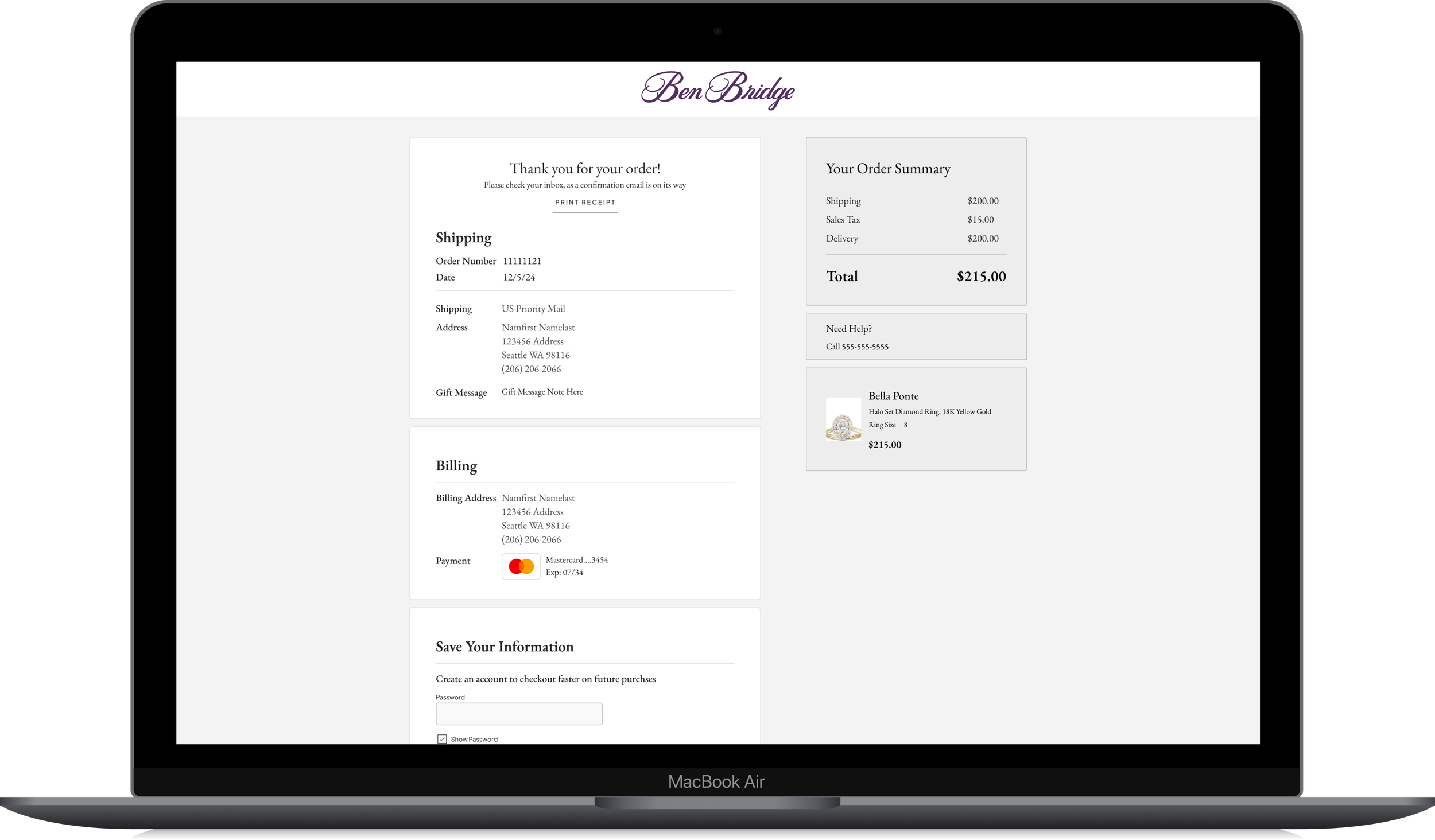
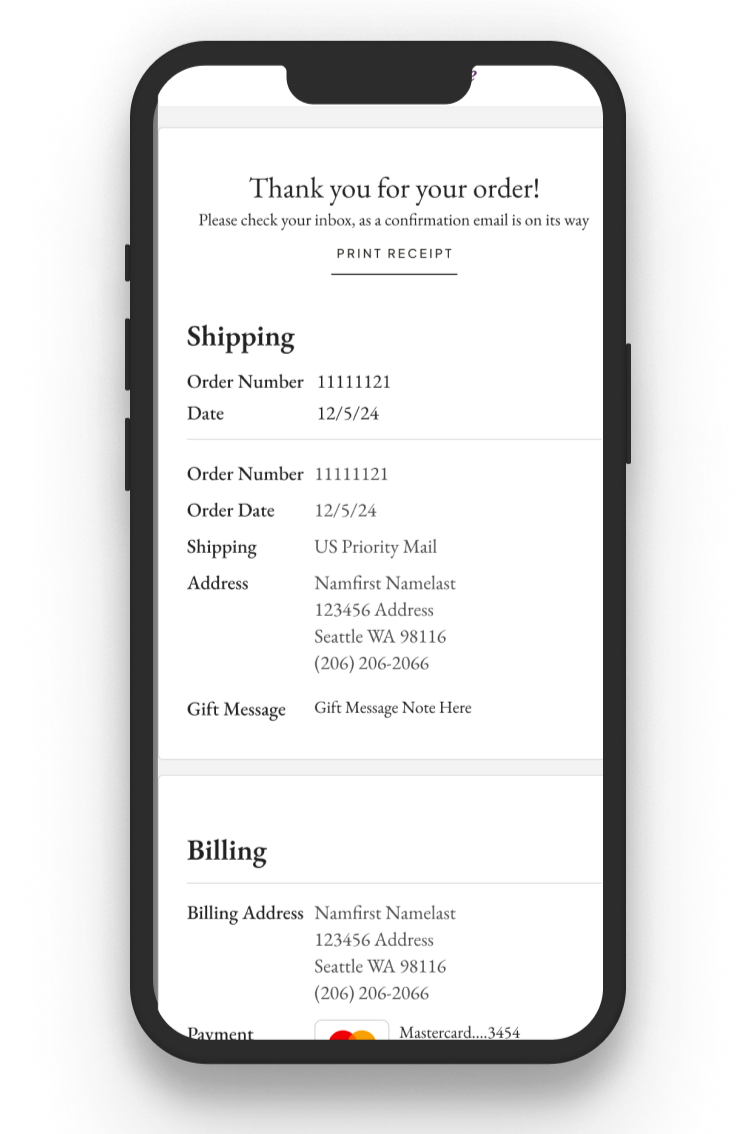
the problem
As part of ongoing optimization of the e-commerce purchase funnel, I conducted a comprehensive UX audit of the checkout flow to identify friction points impacting conversion, abandonment, and customer confidence during high-consideration purchases.
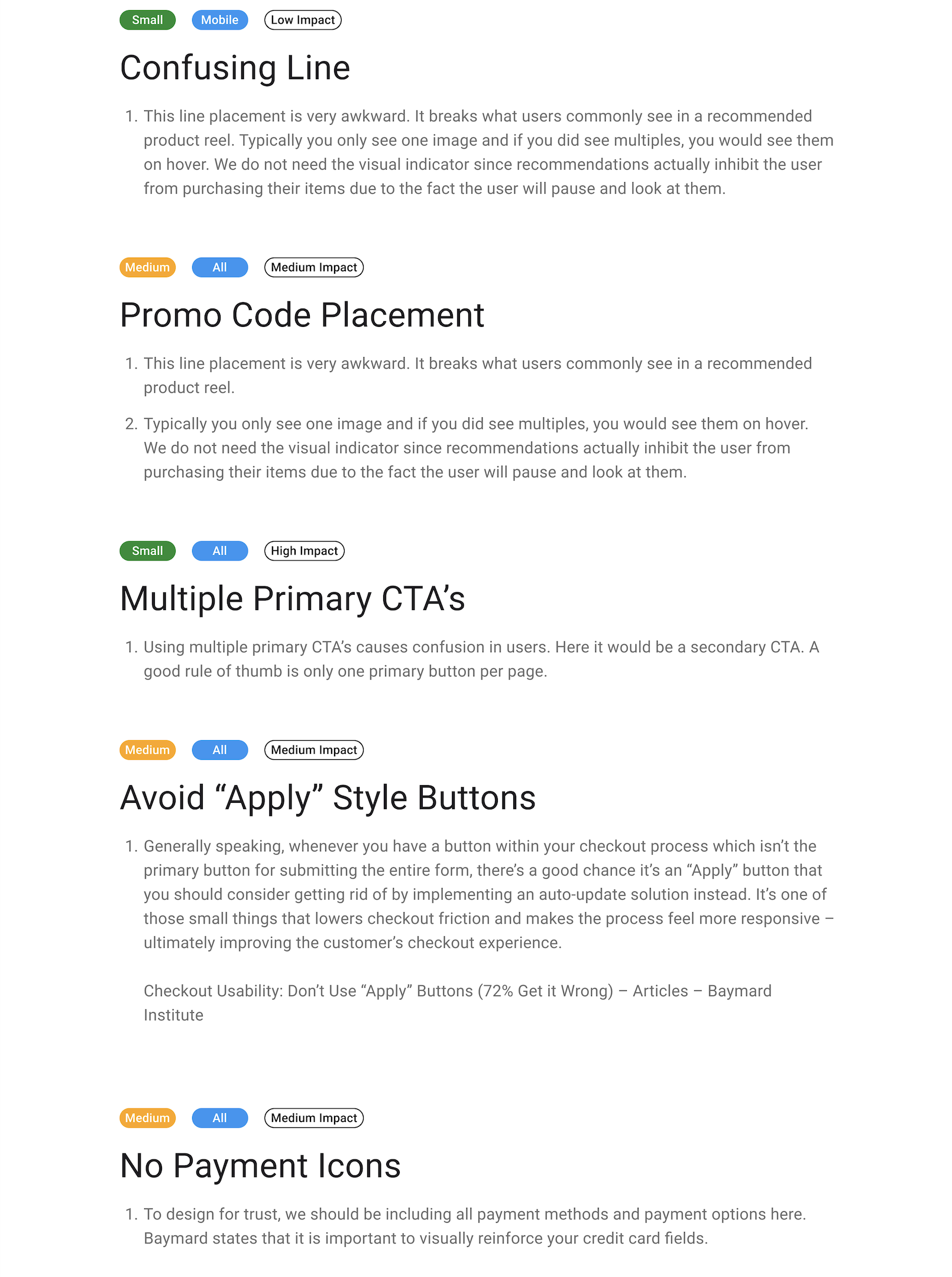
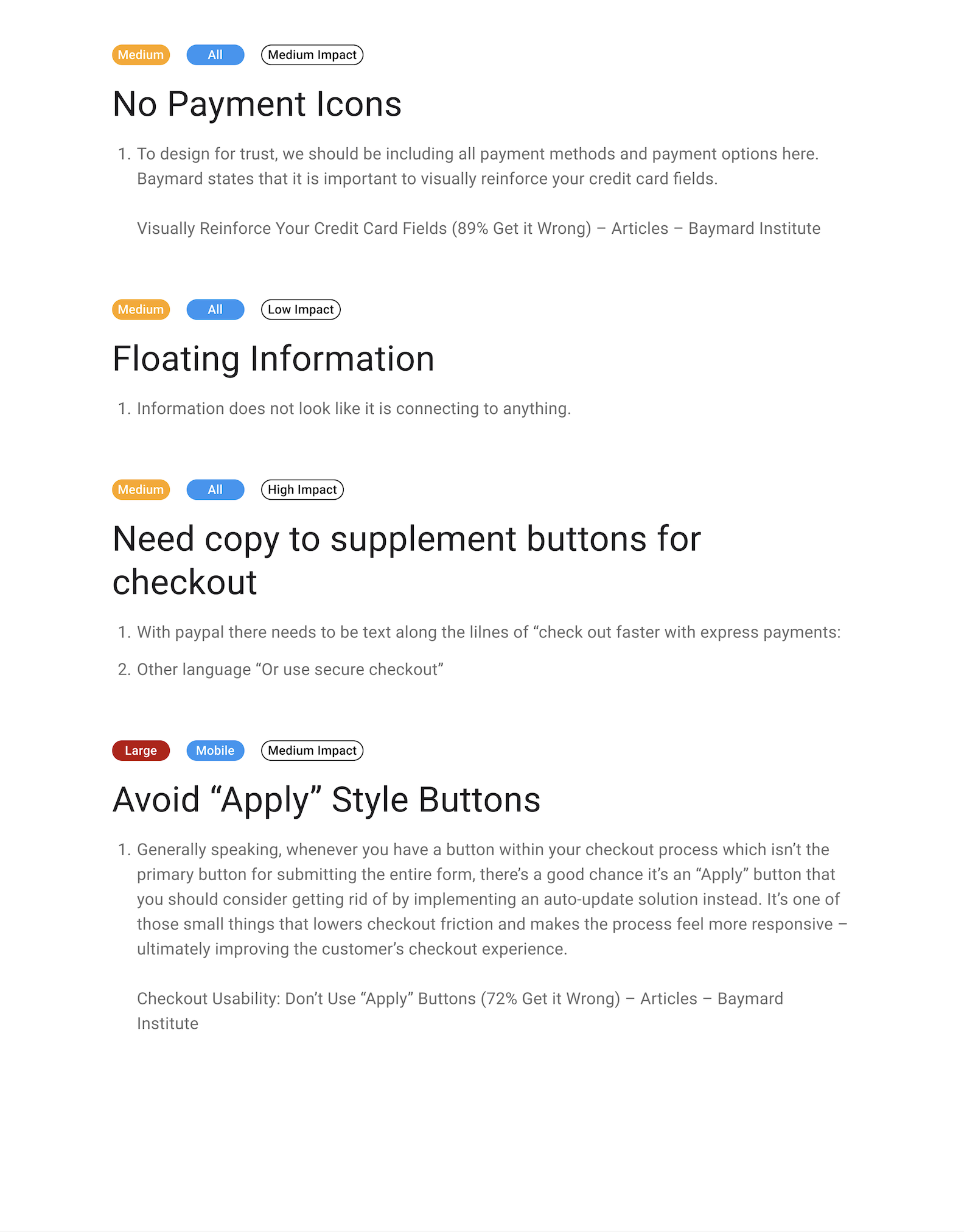
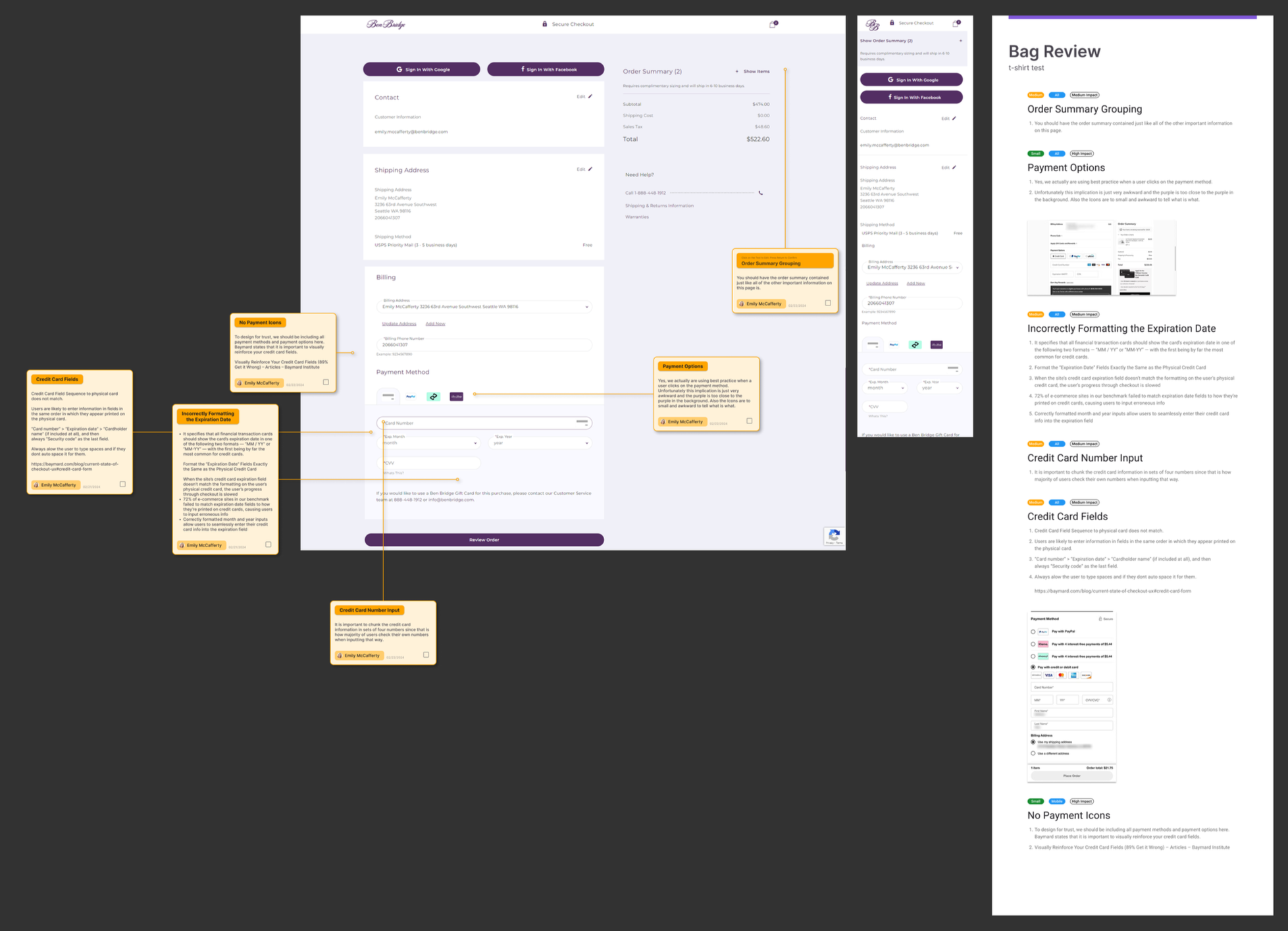
My approach combined heuristic evaluation, behavioral analysis, and competitive benchmarking. I mapped the full end-to-end journey across device types, documenting interaction patterns, cognitive load moments, and breakdowns in user trust signals. Particular attention was given to error handling, form complexity, shipping/payment clarity, and perceived security — critical factors for luxury retail transactions.
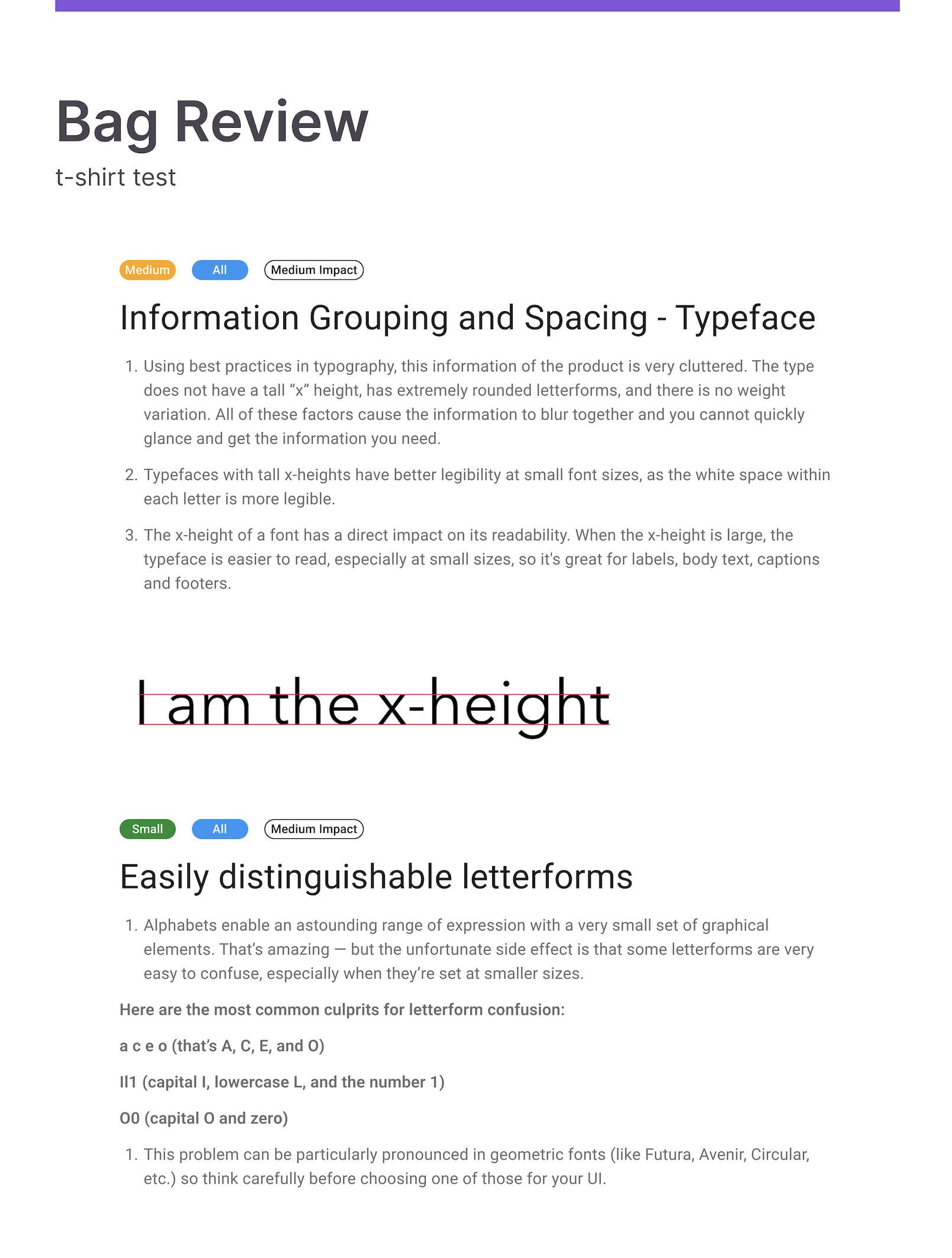
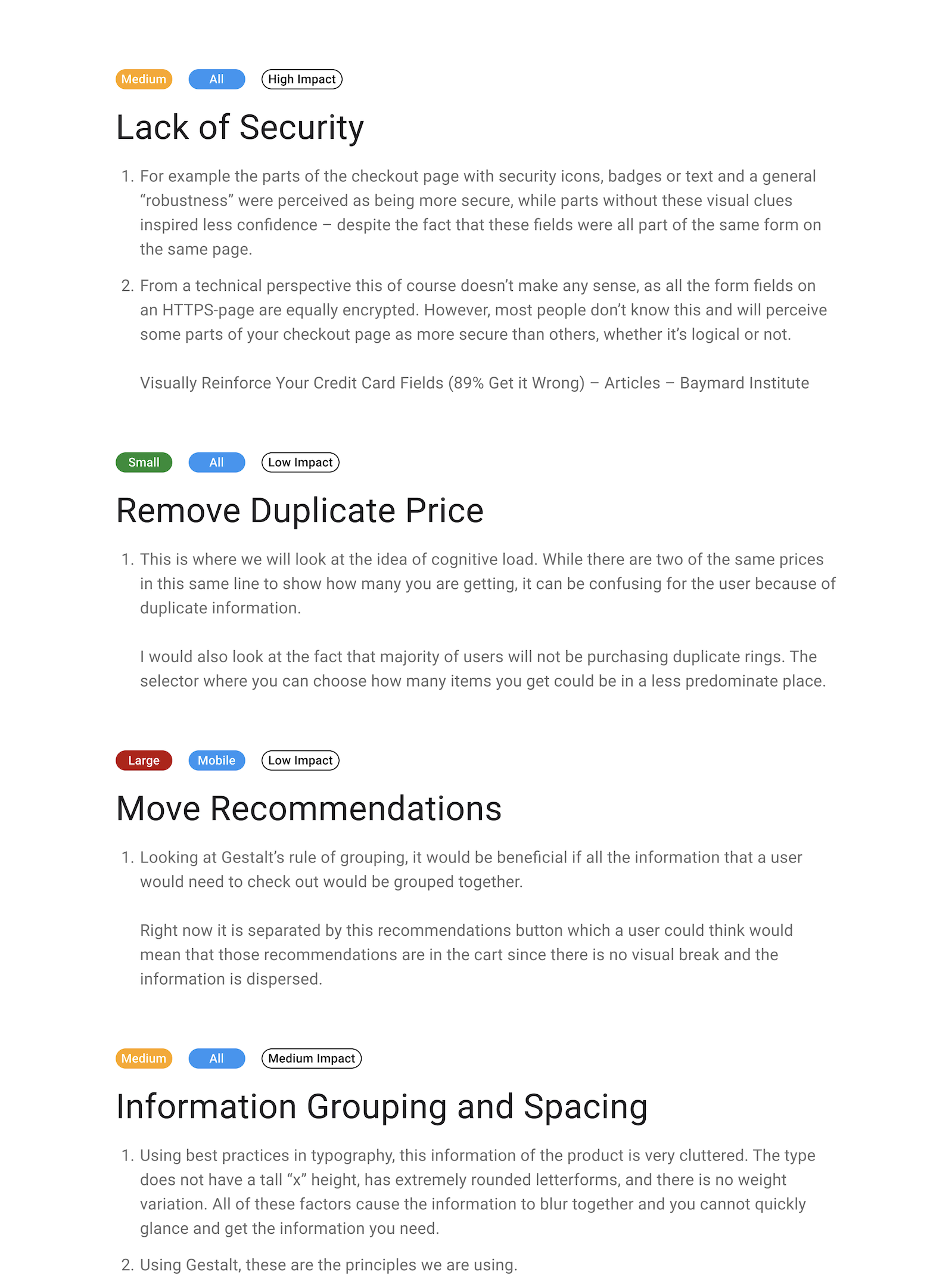
Through the audit, I identified several opportunity areas, including:
Redundant form inputs and unnecessary decision points are increasing completion time
Insufficient progress visibility and feedback during multi-step checkout
Mobile interaction inefficiencies affecting field entry and validation
Visual hierarchy issues that diluted primary action clarity
I synthesized findings into a prioritized recommendations framework, balancing user impact, implementation effort, and business value.
Deliverables included:
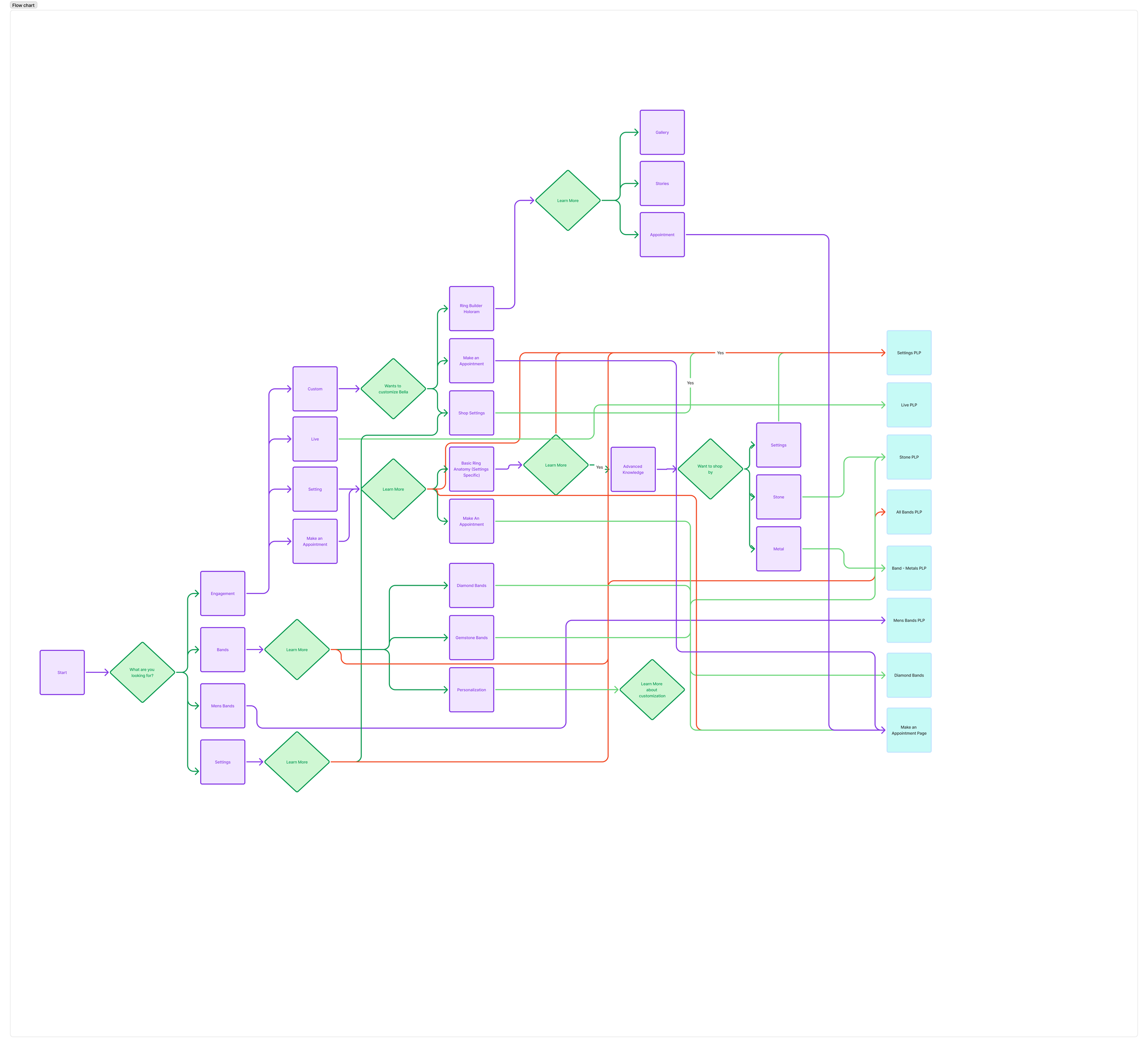
Annotated flow maps and friction-point documentation
Heuristic scorecards
Competitive comparison snapshots
Redesign opportunity concepts and wireframes
Stakeholder presentation outlining measurable optimization paths
This work informed iterative design improvements focused on reducing abandonment, improving trust perception, and streamlining completion — reinforcing a more seamless, confidence-driven purchase experience aligned with the brand’s premium positioning.
my approach
Conducted user research, including analytics review and usability testing, to identify friction points.
Mapped user journeys for multiple scenarios (first-time buyers, returning customers, gift purchases).
Designed interactive prototypes covering all key states of the checkout:
Empty cart: Encouraging users to continue shopping.
Filled cart: Clear item summary, pricing, and editable quantities.
Error states: Inline validation with actionable messaging to prevent frustration.
Success state: Order confirmation with next steps and upsell opportunities.
Collaborated closely with developers to ensure feasibility and maintain pixel-perfect fidelity.
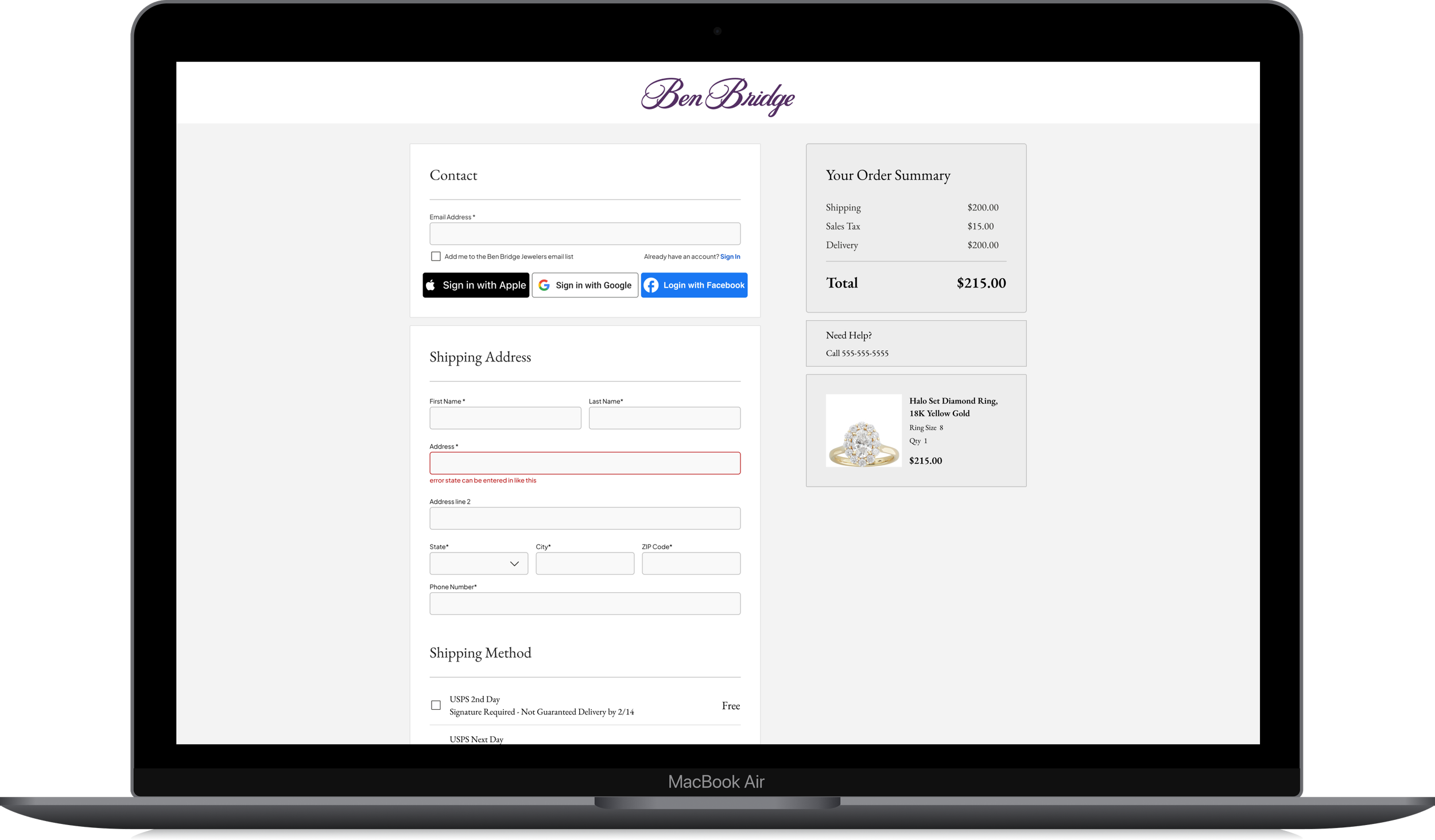
Error State in Address
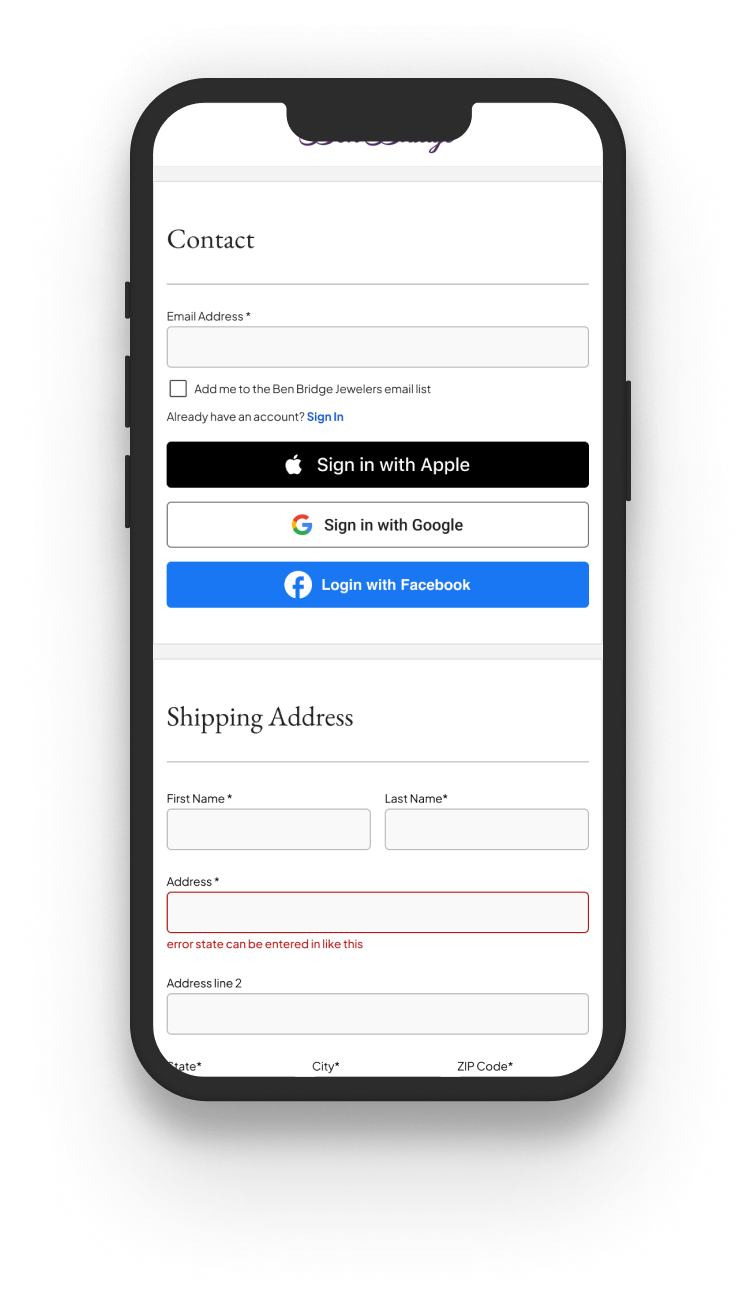
Solution & Highlights:
Streamlined the checkout to reduce steps from 5 to 3, improving efficiency.
Introduced progress indicators and inline validation, reducing form errors by 25%.
Enhanced mobile responsiveness to support over 80% of users shopping on mobile.
Incorporated accessible design practices to ensure compliance with WCAG standards.
Achieved a measurable increase in conversion rates by 46% within the first month.
Impact
Following a UX audit of the ecommerce purchase funnel, I led the redesign of the checkout experience to reduce friction, improve customer confidence, and support conversion for high-consideration luxury purchases. The project focused on streamlining the interaction flow while reinforcing clarity, trust, and brand alignment across devices.
I restructured the checkout architecture to simplify decision-making and reduce cognitive load, consolidating unnecessary steps and improving the logical grouping of user inputs. Form design was optimized through clearer hierarchy, inline validation, and mobile-aware input patterns, resulting in a more efficient and predictable completion experience.
Key improvements included:
Simplified multi-step progression with clearer status visibility and feedback
Refined visual hierarchy to emphasize primary actions and reduce distraction
Improved messaging around shipping, financing, and returns to support informed decision-making
Enhanced error handling and validation patterns to prevent user frustration
Mobile-first refinements to field interaction, spacing, and tap targets
Alignment with broader design system components for consistency and scalability
The redesign balanced business and user needs by maintaining merchandising opportunities while protecting flow momentum. Deliverables included updated user flows, wireframes, high-fidelity prototypes, and collaboration with engineering to ensure feasibility and implementation alignment.
This work contributed to a more seamless and confidence-driven checkout experience that better supports the expectations of luxury retail customers and strengthens overall product usability.